What matters when buying Hardside Suitcase
Size and Capacity
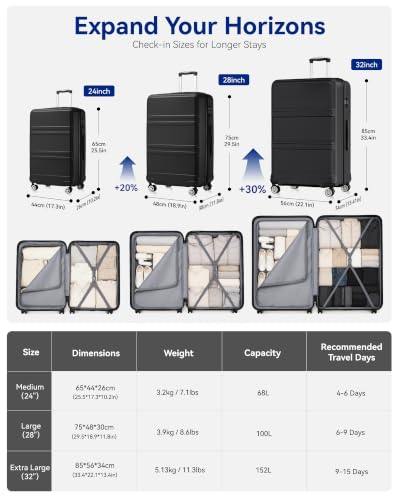
When selecting a hardside suitcase, size and capacity are crucial factors to consider. Suitcases typically come in various sizes, measured in centimetres or inches, which correspond to their height, width, and depth. Common sizes include cabin (around 20 inches), medium (around 24 inches), and large (around 28 inches or more). The size chosen should align with the duration of travel and packing needs. For short trips, a cabin suitcase may suffice, while longer journeys may require a larger checked suitcase to accommodate more items.
Capacity is often measured in litres, indicating how much the suitcase can hold. It is essential to assess personal packing habits and requirements, as well as airline restrictions on luggage dimensions and weight. An expandable suitcase can offer additional packing space when needed, providing flexibility for different travel scenarios.
Weight and Material
The weight of the suitcase itself is an important consideration, particularly for travellers who need to adhere to strict weight limits imposed by airlines. Lightweight materials, such as ABS (Acrylonitrile Butadiene Styrene) or a combination of ABS and polycarbonate, are common in hardside suitcases. These materials offer durability while minimising overall weight. A heavier suitcase may limit the amount of personal items that can be packed without exceeding weight restrictions.
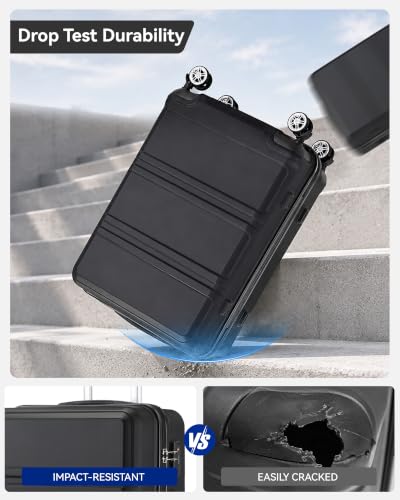
Additionally, the material affects the suitcase's resilience and scratch resistance. Hardside suitcases are designed to withstand rough handling, but the quality of the material can vary. Checking for features such as reinforced corners or impact-resistant shells can provide extra assurance of durability during travel.
Wheels and Mobility
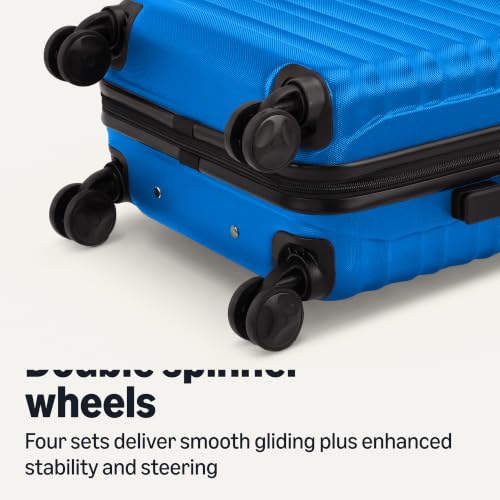
Mobility is a significant factor in the overall ease of use of a hardside suitcase. Most modern suitcases feature spinner wheels that allow for 360-degree movement, making it easier to navigate through crowded airports or train stations. The number of wheels can impact stability and manoeuvrability, with four wheels typically offering better balance compared to two-wheeled options.
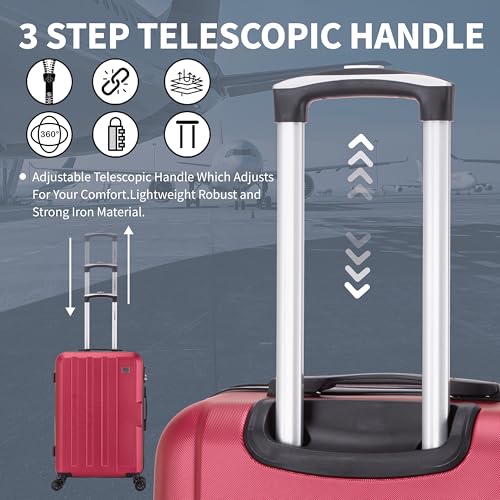
It is also important to consider the design of the wheels. Look for durable, multi-directional wheels that can handle various surfaces. Additionally, check the telescopic handle's quality and adjustability, as a comfortable handle can significantly enhance the suitcase's usability.
Security Features
Security is a crucial aspect of travelling with a suitcase. Many hardside suitcases come equipped with built-in locks, such as TSA-approved combination locks, providing an added layer of protection against theft. TSA locks allow security personnel to open the suitcase without damaging the lock, which is beneficial for international travel. It is advisable to consider the security features offered and ensure they meet personal safety preferences.
Additional features such as zippers can also influence security. Look for suitcases with high-quality zippers, as they are often the weakest point in luggage security. Some models may offer reinforced zippers or lockable zippers, further enhancing the suitcase's security profile.
Footnotes
* Terms such as "best" and similar expressions reflect our personal assessment.
** Prices and availability may have changed since they were last retrieved. The price shown by the seller at the time of purchase applies.
Further important information
We may receive a commission if you make a purchase via the links on our site. This has no impact on the placement of the products on our site. Our website is part of amazon associates program - Amazon, Amazon Prime, the Amazon Logo and Amazon Prime Logo are registered trademarks of Amazon, Inc. or its affiliates. Disclaimer: